

 See My Latest Article on HelloNation
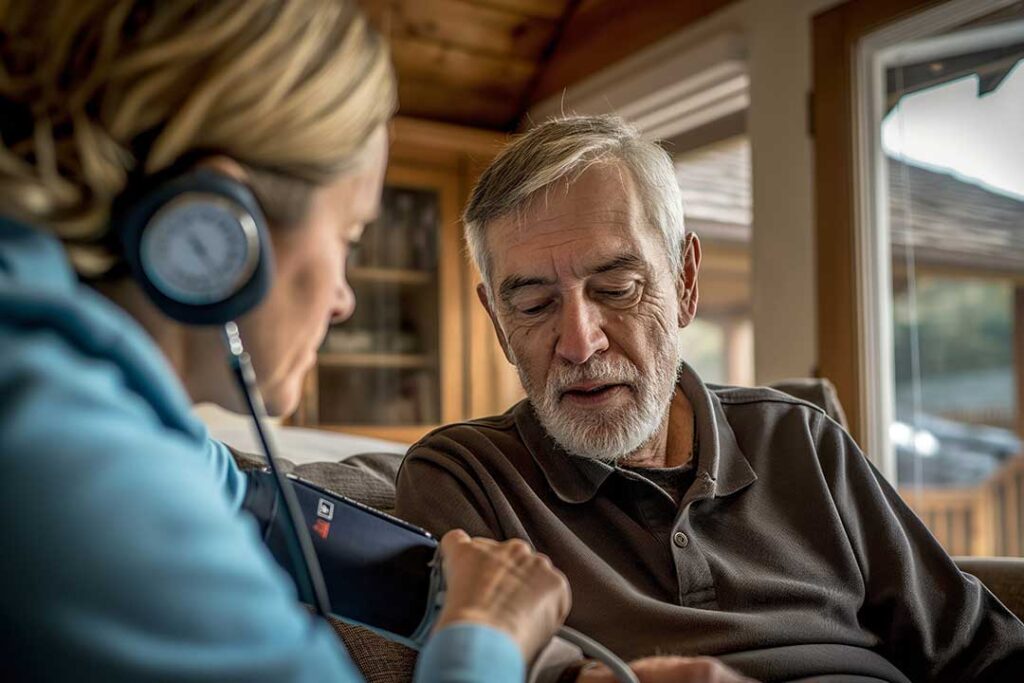
Why Does Social Interaction Matter for Older Adults?
Social engagement is crucial for mental, emotional, and even physical health in later years. Seniors who participate in meaningful interactions are likely to report fewer symptoms of loneliness, stay mentally sharper, and maintain better mobility. In Richmond, VA, the region’s mix of urban neighborhoods and leafy suburbs offers many potential spaces for seniors to connect, but barriers like transportation and seasonal weather can affect opportunities.
Isolation can lead to significant health risks, including higher rates of depression and even chronic illness. Supporting ongoing social activity—whether through conversation, community involvement, or physical activity—is often as vital as managing nutrition and medical care for older adults.
What Makes Social Interaction Difficult for Some Seniors?
Physical health challenges, changes in mobility, and loss of nearby friends or family can make connection harder as people age. In some Richmond households, apartment layouts or home designs can also limit daily contacts with neighbors, and concerns about personal safety or unfamiliar locations may further reduce the willingness to venture out. Winter weather and summer heat, both common in the city, may discourage outdoor activity for some seniors.
Misconceptions—including the belief that older adults aren’t interested in meeting new people—can become self-fulfilling if family members or caregivers don’t actively support social opportunities. Sometimes reluctance is mistaken for lack of need, when in fact, supportive encouragement is required to help someone feel comfortable joining activities or groups.
How Can Families and Friends Foster Connection?
Open, ongoing encouragement from loved ones can help older adults feel valued and included. Start by asking about preferences rather than making assumptions; some people crave lively gatherings, while others prefer small, familiar visits.
Simple, practical steps to promote social engagement:
- Schedule regular phone or video calls, especially if distance or health limits in-person visits.
- Encourage participation in low-pressure community events, such as neighborhood walks or gardening clubs.
- Offer supportive transportation for outings—especially to accessible parks, libraries, or local farmers' markets that are welcoming to seniors.
- Help organize small gatherings at home, adapting for comfort and accessibility.
- Check schedules for local speaker series, music events, or seasonal celebrations where older adults might feel comfortable attending as part of a group.
Respecting preferences but gently challenging patterns of isolation—while offering reassurance about transportation, safety, and scheduling—often opens new doors.
What Local Community Resources Help Build Social Ties?
There are numerous community venues in Richmond suitable for fostering interaction among seniors. Public parks, walking paths, libraries, and places of worship regularly attract older adults looking to connect. Most neighborhood recreation centers hold activities designed to appeal across age groups, and public libraries frequently offer book clubs, lectures, or game groups that welcome new members.
During the warmer months, the region’s many outdoor festivals provide opportunities for seniors to participate in a relaxed, intergenerational setting. Local community gardens and trail systems offer both social and physical engagement. Many area households take part in block parties or porch gatherings, particularly where sidewalks and front yards create natural meeting places.
What Are Practical, Year-Round Ways to Stay Socially Engaged?
Richmond’s four seasons create both opportunities and challenges for routine social activity.
- In milder weather, parks, farmers' markets, and covered porches are comfortable spots for conversation or group activity.
- During colder or rainy months, indoor options—such as library workshops, game nights with neighbors, or simple tea socials—become more appealing.
- Staying active with hobbies like knitting, woodworking, or board games provides both creative stimulation and conversation starters.
A helpful approach is to keep a calendar of local events and commit to trying one new activity or group each season. For those with limited mobility, even short walks in accessible community areas or brief social visits from friends can offer meaningful interaction without requiring extensive travel.
How Can Seniors Overcome Reluctance or Anxiety About Joining In?
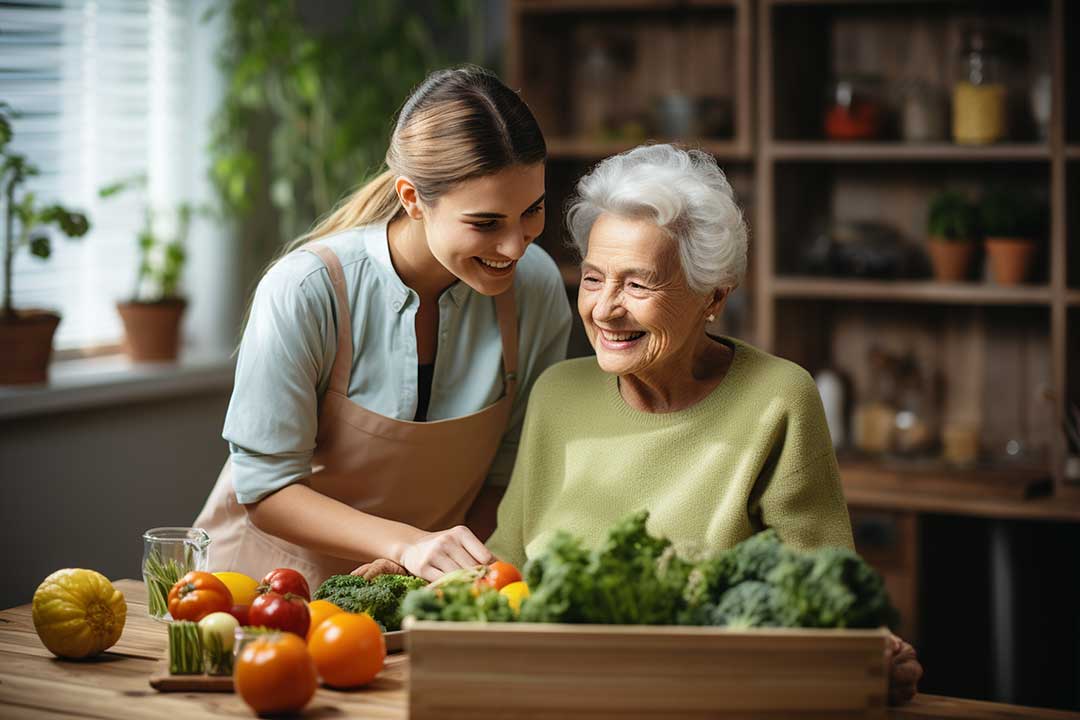
Feeling hesitant about new situations is common, particularly after a period of reduced social activity. Careful preparation can reduce anxiety:
- Start with familiar faces—invite someone to attend a new event together, or join an existing group as a guest before committing.
- Practice small interactions, like chatting with neighbors during walks or attending recurring gatherings at a local library, to build comfort.
- Set realistic expectations: meaningful connections often take time to develop.
Families and friends can offer reassurance, help with transportation arrangements, and check in after an event to reinforce positive experiences. Remind loved ones that everyone feels awkward at first, but regular participation makes social spaces more familiar and welcoming.
Are There Less Obvious Ways to Encourage Daily Conversation?
Interactions don’t have to be formal or scheduled to make a difference. Everyday encounters—greeting neighbors, chatting with mail carriers, or exchanging a few words at a bus stop—can provide valuable stimulation and reduce feelings of loneliness. Even routine errands can become opportunities for small talk or shared activity, especially when approached as a chance to engage rather than merely complete a task.
Families might leave conversation starter cards around the house as prompts, or encourage letter writing, journaling, or keeping a gratitude log to help spark reflection and later conversation.
What Barriers Should Local Residents Be Aware Of?
While Richmond offers many public spaces and chances for socializing, there are persistent barriers:
- Transportation: Some communities have limited public transport or walkable routes, and not all seniors drive.
- Physical Accessibility: Not all venues or events are fully accessible; check ahead for ramps, elevators, and seating.
- Changing Neighborhoods: As longtime neighbors move away, it can take extra effort to rebuild connections.
- Seasonal Weather: Heat waves and icy sidewalks at different times of year may restrict outdoor options.
Awareness of these factors allows families and neighbors to plan ahead, choose welcoming settings, and ensure that older adults are included safely and comfortably.